
A wall clock looks simple from the front. Behind the digits sits a full electronics build: a main board with the clock circuit, LED driver stages sized for continuous duty, a power section that runs cool for years, and firmware that keeps time through outages. This is how that build runs on our lines.
How the board gets built
The process follows standard PCB assembly. Solder paste goes down, the SMT lines place parts, everything is reflowed, then the boards pass through SPI and 100 percent AOI. Driver ICs and high-pin-count parts get X-ray where optics cannot reach. Each board then gets powered and functionally tested before it ever sees an enclosure.
Wall clocks punish sloppy power design. A display that runs ten hours a day in a living room pulls steady current, and heat builds where the driver stage meets a sealed plastic housing. We check regulator temperatures under load during first article, not after the volume order ships. If a layout runs hot, the fix happens in copper and airflow before production, which costs little. Fixing it after delivery costs the whole programme.
What makes a clock board different from a generic assembly
Three things. First, the display. LED segments need uniform brightness across every digit, which comes down to matched current paths and clean soldering on the driver pins. A cold joint on one segment line shows up as a dim digit that a customer notices on day one.
Second, timekeeping. The crystal layout and backup power path decide whether the clock survives a mains outage with its setting intact. This is layout work: short crystal traces, correct load capacitance, a battery or supercapacitor circuit that actually holds up under test.
Third, the enclosure fit. Clock housings are shallow and the display window has to sit flat against the lens. Connector positions, button heights and mounting holes all need to match the plastic. We check the board against the enclosure drawings before the run, because a two millimetre clash found at integration time stops the whole line.
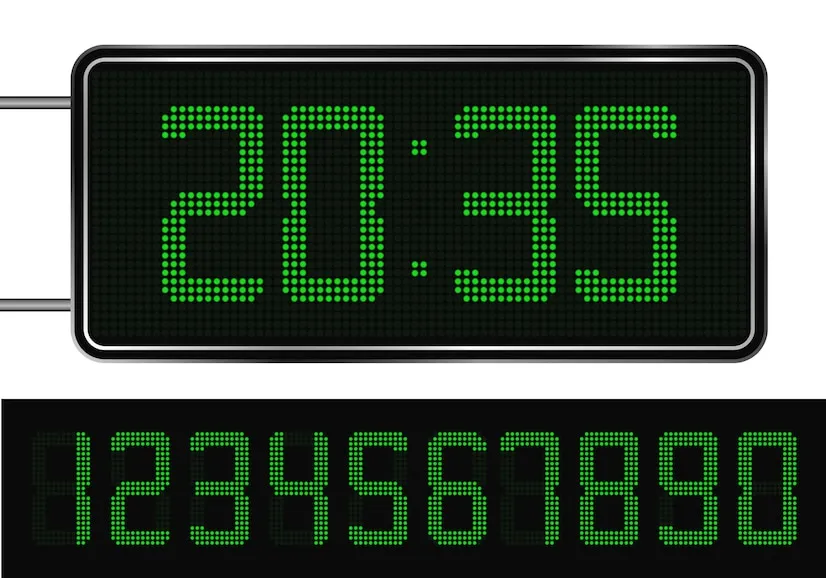
Custom work buyers actually ask for
Most clock programmes change a short list of things: the company logo on the housing, display colour, time format and alarm behaviour, extra sensors like temperature, and packing with the retail barcode applied. These are handled as configuration variants on one tested platform rather than fresh designs each time, so the tenth variant carries the same test history as the first.
Cost and quality, plainly stated
China builds clocks at volume because the supply chain sits in one place: laminate, passives, driver ICs, LEDs, plastics and cartons all source within a day’s freight. That shortens lead times and keeps pricing workable. It does not remove the need for inspection. Our clock boards go through the same coverage as everything else here: SPI, full AOI, X-ray on hidden joints, per-unit functional test. Certifications on file are ISO 9001, BSCI and SEDEX, plus RoHS compliance on materials. The paperwork matters for market access. The test records matter for whether the clock still reads correctly in year five.